


How to Protest Your Property Appraisal in Texas
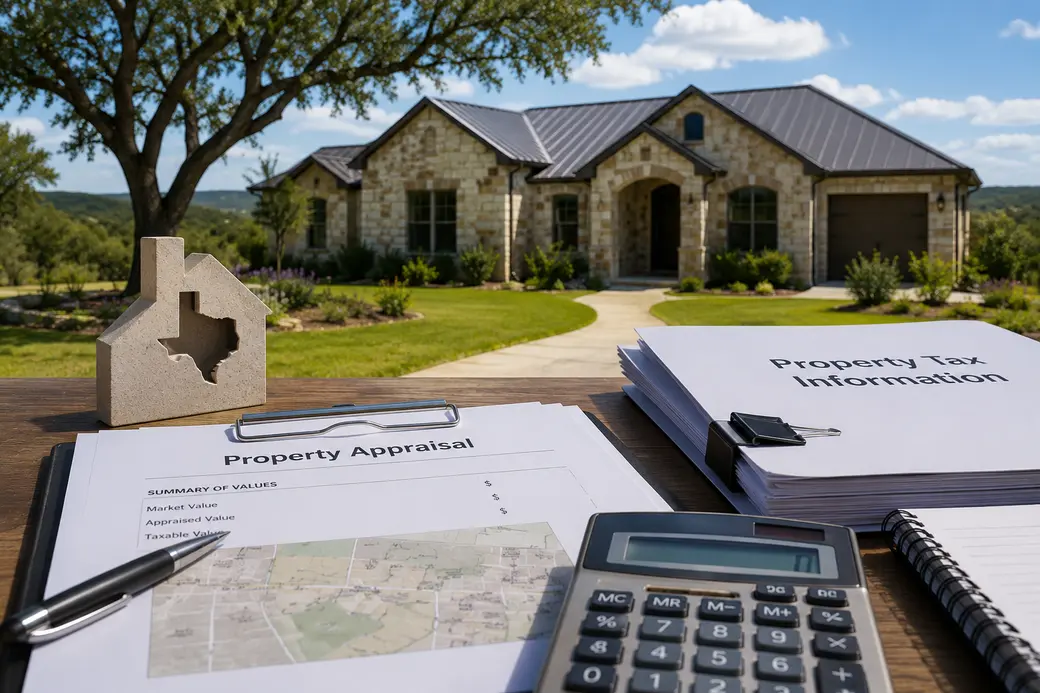
If you believe your Texas property appraisal is incorrect, you have the right to protest certain actions taken by your local appraisal district. A successful property tax protest starts with understanding what you are challenging, meeting the applicable deadline, and preparing evidence that supports your position.
Texas property owners can protest issues such as appraised value, unequal appraisal, certain exemptions, property characteristics and other appraisal district actions. The specific issue matters because it determines what evidence will be most useful at an informal review or Appraisal Review Board (ARB) hearing.
1. Review Your Notice of Appraised Value
Start by reviewing your Notice of Appraised Value and the appraisal district's property record carefully. Check the property's square footage, acreage, improvements, condition, exemptions and other characteristics for accuracy.
Also note the protest deadline shown on your notice. Texas protest deadlines can depend on the circumstances, so don't assume the deadline is the same for every property or every year.
2. Get the Appraisal District’s Evidence
Before your ARB hearing, review the evidence the appraisal district intends to use to support its position. This may include comparable sales, property records, photographs, valuation calculations and information about other properties.
Compare that evidence carefully with your property. Look for meaningful differences in location, size, age, condition, improvements, acreage and other characteristics that could affect value.
The district’s evidence can also help you identify factual errors or adjustments that may not accurately reflect your property.
3. Gather Your Own Evidence
The strongest evidence is usually information that directly relates to your property and the issue you are protesting. Depending on the property, useful evidence may include comparable sales, photographs, repair estimates, surveys, closing documents, independent appraisals, construction costs or other records that help demonstrate the property's value or condition.
Comparable properties should be reviewed carefully. A property that looks similar on paper may have important differences in location, condition, acreage, improvements, quality or other characteristics.
Organize your evidence so it is easy to follow. Be prepared to explain what value or correction you are requesting and how your evidence supports that position.
4. Consider the Informal Review
After a protest is filed, the appraisal district may provide an opportunity for an informal review before the formal ARB hearing. This can be an opportunity to discuss the property, review the district’s information and present evidence supporting your requested value or correction.
Some protests can be resolved during the informal process. If an agreement is not reached, the protest can proceed to the scheduled Appraisal Review Board hearing.
Keep copies of the information and evidence you provide and make note of any proposed value or changes discussed during the informal review.
5. Prepare for Your ARB Hearing
At an Appraisal Review Board hearing, the property owner or authorized representative and the appraisal district have an opportunity to present evidence and explain their positions. The ARB considers the evidence presented and makes a determination on the issues properly before it.
Prepare a short, organized presentation. Identify the value or correction you are requesting, explain the evidence supporting your position and focus on the differences that matter to the property.
Avoid relying only on the argument that property taxes are too high. The ARB is generally considering the appraisal or other specific issue under protest, so evidence related directly to that issue is more useful.
6. Can Someone Represent You at the ARB Hearing?
Texas property owners may appoint an authorized agent to represent them in certain property tax matters. Written authorization is required, and the appropriate appointment-of-agent documentation should be completed and filed as required.
Laura Dash served on the Comal County Appraisal Review Board from 2021 through 2024 and assists qualifying property owners with appraisal protests, evidence preparation and ARB representation.
If you would like help reviewing your appraisal or preparing for an upcoming ARB hearing, visit the Property Tax & ARB Resources page to learn more or request assistance.
7. Pay Attention to Property Tax Protest Deadlines
Property tax protest deadlines matter. Review your Notice of Appraised Value and information from your appraisal district carefully to determine the deadline that applies to your property and protest.
Do not wait until the last minute to begin reviewing your appraisal. Starting early provides more time to obtain the appraisal district’s evidence, research comparable properties, gather supporting documents and prepare for an informal review or ARB hearing.
Need Help With a Texas Property Tax Protest?
If you have questions about your property appraisal, evidence preparation or an upcoming ARB hearing, Laura Dash can help you review the situation and determine the next steps.
Laura served on the Comal County Appraisal Review Board from 2021 through 2024 and provides property owners with practical insight into the appraisal protest and ARB hearing process.
Visit the Property Tax & ARB Resources page to learn more or submit a request for assistance.
This article is provided for general educational information and is not legal or tax advice. Property tax procedures and deadlines can vary depending on the circumstances. Property owners should verify current requirements with their appraisal district and applicable Texas authorities.

"Molly's job is to find and attract mastery-based agents to the office, protect the culture, and make sure everyone is happy! "
GET MORE INFORMATION